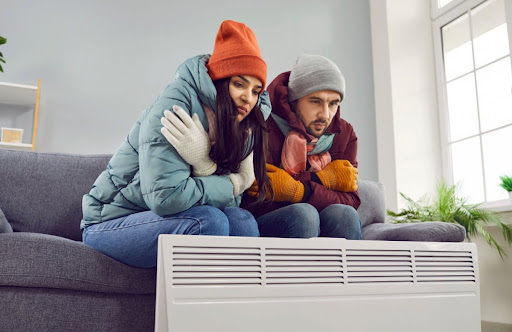

When a furnace turns on, runs briefly, shuts off, and then repeats that pattern over and over, it is known as short cycling. At first, this behavior might seem harmless, especially if the home still feels warm. Over time, however, short cycling can lead to higher energy bills, uneven temperatures, and unnecessary wear on the heating system.
Short cycling isn’t a normal part of furnace operation. It’s a sign that something is interfering with the system’s ability to heat your home consistently. Below are six common reasons a furnace may be short cycling and why addressing the issue sooner rather than later matters.
1. A Dirty or Clogged Air Filter
One of the most common and overlooked causes of furnace short cycling is a dirty air filter. When the filter becomes clogged with dust and debris, airflow through the system is restricted. This forces the furnace to work harder to push air through the ductwork.
As airflow drops, the furnace can overheat. To protect itself, the system shuts down prematurely. Once it cools slightly, it turns back on, starting the cycle all over again.
Replacing the air filter regularly is one of the simplest ways to prevent short cycling and protect the furnace from unnecessary strain.
2. Thermostat Placement or Malfunction
The thermostat acts as the command center for the heating system. If it is not reading the temperature accurately, it can cause the furnace to turn off before the home is properly heated.
Common thermostat-related issues include:
- Placement near a heat source, such as a vent or window
- Exposure to direct sunlight
- Faulty sensors or wiring
- Low batteries in battery-powered models
When the thermostat senses heat too quickly, it signals the furnace to shut off early. A professional evaluation can determine if the thermostat needs adjustment, relocation, or replacement.
3. Overheating Due to Restricted Airflow
Beyond dirty filters, other airflow issues can also cause overheating. Blocked vents, closed registers, or ductwork problems can all limit the movement of warm air through the home.
When heat builds up inside the furnace cabinet, safety controls trigger a shutdown. This cycle repeats as the system tries to protect itself from damage. Ensuring vents are open and unobstructed and having ductwork inspected can help prevent overheating-related short cycling.
4. An Oversized Furnace
Bigger is not always better when it comes to heating equipment. A furnace that is too large for the home heats the space too quickly and then shuts off before completing a proper heating cycle.
While this may sound efficient, it actually leads to:
- Uneven indoor temperatures
- Reduced comfort
- Increased wear on components
- Higher energy costs
An oversized furnace never runs long enough to distribute heat evenly. If short cycling has been an issue since installation, system sizing may be the underlying cause.
5. A Faulty Flame Sensor
The flame sensor plays a critical role in furnace safety. It detects whether a flame is present when the furnace is running. If the sensor does not detect a flame, it shuts the system down to prevent gas buildup.
Over time, the flame sensor can become dirty or corroded. When this happens, it may falsely signal that no flame is present, causing the furnace to shut off seconds after ignition. Cleaning or replacing the flame sensor is a common fix that restores proper operation and eliminates short cycling.
6. Mechanical or Electrical Problems
Short cycling can also be caused by internal component issues. These may include:
- Failing limit switches
- Loose electrical connections
- Control board malfunctions
- Worn blower motors
These problems often worsen over time and can lead to complete system failure if left unresolved. Professional diagnosis is important to identify the exact cause and prevent more costly repairs later.
Why Furnace Short Cycling Should Not Be Ignored
A furnace that short cycles is working harder than it should. Each startup places stress on components, increasing the risk of breakdowns and shortening the system’s lifespan.
Short cycling can also:
- Drive up monthly energy bills.
- Create uncomfortable temperature swings.
- Reduce overall heating efficiency.
- Lead to premature equipment replacement.
Addressing the issue early can help protect both comfort and investment.
When to Call a Professional in Akron & Northeast Ohio
If filter changes and thermostat checks do not resolve the issue, it is time to call a professional. A trained technician can inspect the system, identify airflow problems, test safety controls, and determine whether deeper mechanical issues are present.
This is where professional heating services make a difference. An experienced team, like Apollo Heating, Cooling, and Plumbing, can diagnose short cycling accurately and recommend the right solution instead of temporary fixes. In many cases, timely furnace repair can restore proper operation and prevent further damage to the system.
Trust Apollo for Furnace Short Cycling Issues in Akron & Northeast Ohio
At Apollo Heating, Cooling, and Plumbing, we understand how frustrating furnace issues can be, especially when they interrupt comfort during cold weather. Our team is trained to identify the root cause of short cycling and provide clear, honest recommendations to fix it.
If your furnace is turning on and off repeatedly or struggling to maintain consistent warmth, help is available. A professional inspection can uncover the issue and get your system back to running smoothly and reliably. Call us today at 330-800-5171 to schedule your appointment!