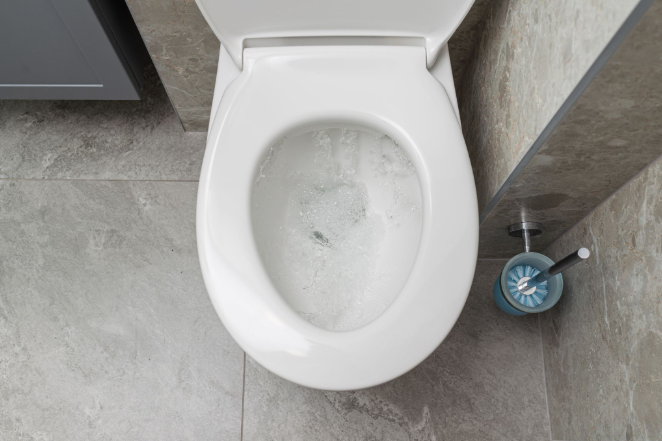

That faint, persistent sound of rushing water coming from your bathroom is easy to ignore at first. You might think it’s just a minor quirk of your home’s plumbing system. However, a running toilet can waste thousands of gallons of water and drastically spike your monthly utility bills. In fact, a single running toilet can waste anywhere from 30 to over 200 gallons of water every single day, depending on the severity of the leak.
To avoid high water bills and potential plumbing emergencies, such as hidden leaks or bathroom floods, homeowners need to understand the common causes of a constantly running toilet. The good news is that the mechanics inside your toilet tank are relatively straightforward. By understanding how these parts interact, you can pinpoint exactly why your toilet won’t stop running and determine when it’s time to bring in an expert.
Inside Your Toilet Tank: The Usual Suspects
Before diving into troubleshooting, it helps to understand what goes on behind the porcelain. When you flush, a chain lifts a rubber valve called a flapper, allowing water to rush from the tank into the bowl. As the tank empties, the flapper drops back down to seal the drain. Meanwhile, a floating device drops, opening the fill valve to refill the tank. Once the water reaches a designated level, the float rises high enough to shut off the fill valve.
When your toilet runs continuously, it means this cycle is interrupted. Either water is constantly escaping from the tank into the bowl, or the fill valve doesn’t know when to shut off.
Here are the four major culprits behind a running toilet and how you can safely check them yourself.
1. The Faulty Toilet Flapper
By far, the most common reason a toilet keeps running is a problematic flapper. Because this rubber disc sits constantly submerged in water, it naturally degrades over time. Mineral buildup from hard water or the chemicals found in drop-in toilet cleaning tablets can cause the rubber to warp, crack, or become brittle. When this happens, the flapper can no longer create an airtight seal against the flush valve seat, allowing water to trickle constantly into the bowl.
How to check it safely: Turn off the water supply valve behind your toilet and remove the tank lid. Place the lid carefully on a towel so it doesn’t scratch or break. Look at the bottom of the tank to locate the rubber flapper. Reach down and run your finger along the edges of the flapper to feel for any warping, slime, or mineral deposits. If your finger comes away with black rubber residue, the material is disintegrating and needs to be replaced. Additionally, check the chain connecting the flush handle to the flapper; if it is too short, it will hold the flapper open, and if it is too long, it can get caught underneath the seal.
2. A Misaligned Float Arm or Ball
Older toilets often utilize a floating ball attached to a long metal or plastic arm (a float arm) to regulate water levels. Newer models might use a floating cylinder that slides up and down the fill valve shaft. If the float is set too high, or if the arm is bent or misaligned, the water level will rise past the safety point and spill into the overflow tube. Alternatively, if the float ball cracks and fills with water, it will become heavy, sink to the bottom, and cause the fill valve to run indefinitely.
How to check it safely: Remove the tank lid and look at the water level. It should typically sit about one inch below the top of the open vertical pipe (the overflow tube). If the water is pouring over the top of that tube, your float is misaligned or set too high. Give the float ball a light tap—if it stays submerged or feels heavy, unscrew it to see if water is trapped inside. If it’s a structural alignment issue, you can often gently bend a brass float arm downward or adjust the screw on a modern float column to lower the water threshold.
3. An Incorrect Fill Valve Height
The fill valve is the engine of your toilet’s replenishment system, pulling water from your home’s main lines into the tank. Modern fill valves are adjustable. If the valve itself was installed incorrectly or its height was improperly adjusted, it can conflict with the tank’s natural overflow mechanics. If the fill valve sits too low or is calibrated incorrectly, it will continue running because it never registers that the tank has reached its optimal capacity.
How to check it safely: Peer into the tank and locate the main vertical tower on the left side. Look for the manufacturer’s mark or standard water line indicators on the inside wall of the porcelain tank. If the fill valve assembly is continuously hissing and shooting water into the tank even when the float is manually lifted all the way up, the internal seal of the valve is likely failed, or the entire height adjustment mechanism needs a professional recalibration to match the specifications of your toilet bowl.
4. Issues with the Overflow Tube
The overflow tube is a safety feature designed to prevent your toilet tank from overflowing onto your bathroom floor if the fill valve fails. However, if the small refill tube (the flexible plastic hose running from the fill valve to the top of the overflow tube) is pushed too far down into the vertical pipe, it can create a siphon effect. This continuously siphons water from the tank into the bowl, forcing the fill valve to cycle constantly to replace the lost water.
How to check it safely: Look at the small, flexible plastic tube connecting the fill valve to the wide, vertical overflow pipe. The end of this tube should be clipped securely to the top of the overflow tube, allowing water to flow into it from above. If the tube is stuffed deep down inside the pipe, pull it out and re-secure it with a proper retaining clip so it sits entirely above the water line.
How Apollo Heating, Cooling, and Plumbing Can Help
When it comes to keeping your home running smoothly, you shouldn’t have to guess whether a repair was done right. At Apollo Heating, Cooling, and Plumbing, we bring decades of localized expertise, reliable service, and professional integrity to every single job site. Our team of fully licensed and insured plumbing experts is equipped to handle everything from a quick toilet rebuild to comprehensive whole-home plumbing updates.
We take pride in delivering fast, clean, and effective solutions tailored specifically to the unique needs of local homes. When you call Apollo, you get transparent pricing, friendly technicians, and plumbing repairs that stand the test of time.
Don’t let a running toilet waste your hard-earned money and strain your home’s plumbing network. If you are dealing with a stubborn plumbing issue, we are ready to help. We encourage homeowners throughout Northeast Ohio to contact Apollo Heating, Cooling, and Plumbing today to schedule a professional plumbing inspection and repair. Let us restore efficiency, quiet, and comfort to your home!